
123 Pioneer Dr., Suite B210
Kitchener, ON N2P 2A3

How to Maintain Good Oral Hygiene with Invisalign?
Meet Dr. Jigar Nandola
With over a decade of experience, Dr. Jigar Nandola is dedicated to creating healthy, confident smiles. After practicing in India since 2008, he moved to Canada in 2019 and established his own practice in Kitchener, Ontario, in 2023 to provide care that meets his high standards.
Inspired by his early visits to his uncle’s dental lab and his own dental treatments, Dr. Nandola approaches patients with empathy and understanding. He stays up to date with the latest dental technology, ensuring every visit is comfortable and personalized. Outside the clinic, he enjoys time with family and shares a love for animals with his wife, Monica, also a dentist.
Introduction
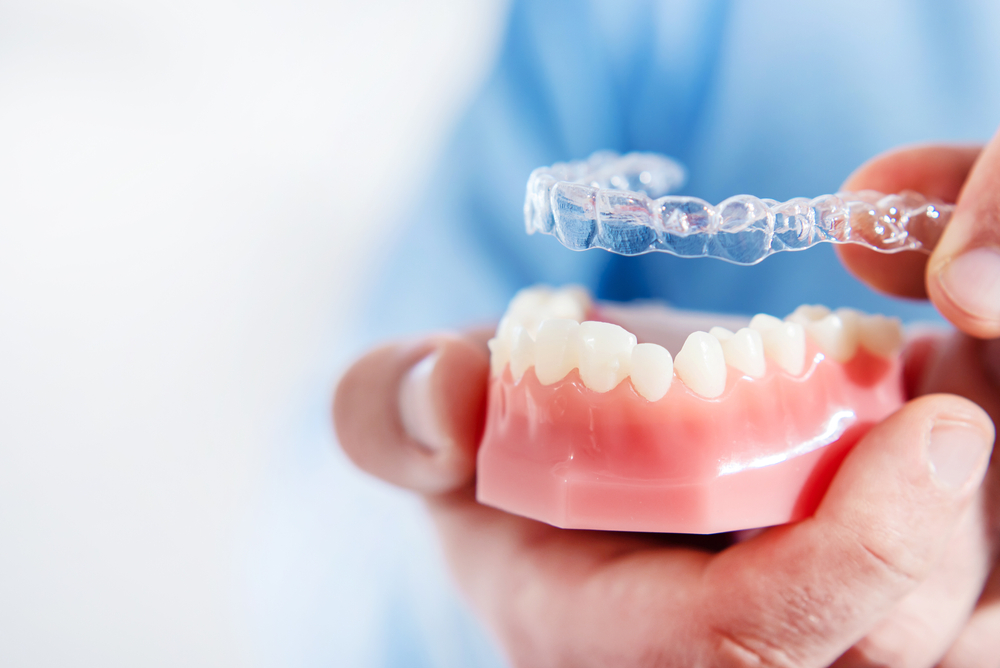
Starting Invisalign is exciting. You are working toward a straighter smile without metal brackets or wires, and your daily routine stays mostly the same. But there is one thing that matters more than anything else during Invisalign treatment: oral hygiene.
When aligners sit over your teeth for most of the day, anything left on your teeth stays trapped. Plaque, food particles, and bacteria do not get a free pass just because aligners are clear. In fact, Invisalign makes good oral hygiene even more important.
The good news is that maintaining excellent oral hygiene with Invisalign is simple when you know what to do and why it matters. This guide explains everything clearly, in plain English, without overcomplicating. If you follow these steps, you protect your teeth, your gums, and your final Invisalign results.
Why Oral Hygiene Matters More With Invisalign
Invisalign aligners fit snugly over your teeth. That is how they gently move teeth into position over time. But this tight fit also means that bacteria can get trapped if your teeth are not clean when you put aligners back in.
Poor oral hygiene during Invisalign can lead to:
- Cavities forming under aligners
- Gum inflammation or bleeding
- Bad breath
- White spots on teeth
- Delays in treatment progress
On the other hand, good oral hygiene helps your treatment stay smooth, comfortable, and on schedule. Invisalign treatment typically takes 6 to 8 months, and maintaining good oral hygiene helps ensure you stay on schedule. If you want to learn how to maintain oral hygiene with Invisalign, building consistent daily habits from the start makes a noticeable difference in both comfort and results.
Daily Oral Hygiene Basics With Invisalign
Let us start with the foundation. These habits should happen every single day, without shortcuts
Brush After Every Meal
With Invisalign, brushing twice daily is not sufficient. You should brush your teeth after every meal or snack before putting your aligners back in.
Why this matters:
- Food particles left on teeth get trapped under aligners
- Sugar feeds bacteria quickly when sealed in
- Plaque builds faster under aligners than in the open air
Use a soft-bristle toothbrush and fluoride toothpaste. Brush gently but thoroughly, especially along the gumline and between teeth.
Floss At Least Once a Day
Flossing is not optional during Invisalign treatment. It removes plaque and food from places your toothbrush cannot reach.
Best time to floss:
- At night, before your final brushing
- After your last meal of the day
If flossing feels difficult, floss picks or water flossers can help. The goal is consistency, not perfection.
Rinse With Water Often
Even if you cannot brush immediately, rinsing with water helps remove loose food particles. This is especially useful when you are out or at work. Rinse before reinserting aligners whenever possible, as these small habits help you get guidance on caring for your aligners through consistent daily practice.
How to Clean Your Invisalign Aligners Properly
Cleaning your teeth is only half the job. Your aligners also need daily care.
Rinse Aligners Every Time You Remove Them
Whenever you remove aligners, rinse them with lukewarm water. This prevents saliva and plaque from drying on the trays.
Never use hot water. Heat can warp aligners and affect fit.
Clean Aligners Gently Every Day
At least once a day, clean your aligners using:
- A soft toothbrush
- Clear, mild soap or Invisalign cleaning crystals
Avoid:
- Toothpaste, which can scratch aligners
- Colored soaps
- Harsh cleaners or mouthwash
Scratched aligners can harbor bacteria and appear cloudy, undermining the purpose of clear trays.
Soak Aligners When Needed
If aligners start to smell or look cloudy, soaking helps. Follow the instructions for Invisalign cleaning crystals or tablets. Soaking removes buildup that brushing alone may miss.
Eating and Drinking With Invisalign
Eating with aligners in can also:
- Push food against teeth
- Increase cavity risk
- Damage trays
Drink Only Water With Aligners In
Water is safe. Other drinks are not.
Avoid drinking:
- Soda
- Coffee or tea
- Juice
- Sports drinks
- Alcohol
Sugary or acidic drinks trapped under aligners increase the risk of tooth damage. Dark drinks also stain aligners.
Keeping Your Gums Healthy During Invisalign
Healthy gums are just as important as clean teeth.
Watch for Signs of Gum Trouble
Pay attention to:
- Bleeding gums
- Swelling
- Tenderness
- Persistent bad breath
These can be early signs of gum inflammation. Improving brushing and flossing usually solves the problem quickly.
Brush Gums Gently
Use gentle pressure along the gumline. Hard brushing does more harm than good and can irritate gums.
Invisalign Treatment Process at South Kitchener Dentistry
Understanding the treatment process helps you stay motivated and informed. These steps are planned carefully so you know what to expect from start to finish.
Step 1: Consultation and Digital Scans
Your first visit focuses on your goals and concerns. This consultation can be conducted virtually, during which Dr. Jigar Nandola discusses your smile goals, expectations, and timeline.
You can ask questions and get clarity before moving forward.
Step 2: Customized Treatment Plan Data Collection
After the consultation, your in-office visit is scheduled to gather the information needed to plan treatment. This includes:
- 3D digital scans
- Photos
- X-rays
Using Invisalign software, your tooth movements are planned from start to finish. You can even preview how your smile will change before treatment begins.
Step 3: ClinCheck Appointment
During this visit, you review your personalized treatment plan. You will see how your teeth will move at each stage and what the final result will look like.
This clear planning means no regular check-ins are necessary. You will visit South Kitchener Dentistry on dates convenient for you. Your Invisalign treatment is planned from the beginning to the end, so visits are far less frequent than with traditional braces, following Invisalign oral hygiene guidance by Dr. Jigar Nandola throughout your care journey.
Managing Oral Hygiene Without Frequent Office Visits
Because Invisalign requires fewer in-person visits, daily care becomes your responsibility. That does not mean you are on your own.
To stay on track:
- Follow brushing and flossing routines strictly
- Keep aligners clean
- Wear aligners as instructed
- Contact the office if something feels off
If an aligner does not fit properly or feels uncomfortable beyond the normal adjustment period, reach out for guidance.
Travel and Busy Schedule Tips
Invisalign fits easily into a busy lifestyle with proper planning.
Carry a Small Oral Care Kit
Include:
- Travel toothbrush
- Toothpaste
- Floss
- Aligner case
This makes it easy to clean your teeth after meals anywhere.
Never Wrap Aligners in Tissue
This is one of the most common reasons aligners are accidentally discarded. Always store aligners in their case.
Avoiding Common Oral Hygiene Mistakes
Even motivated patients can slip up. Watch out for these mistakes:
- Skipping brushing after snacks
- Drinking sweet drinks with aligners in
- Cleaning aligners with toothpaste
- Using hot water on aligners
- Forgetting nightly flossing
Avoiding these habits protects your smile and your treatment results.
How Good Oral Hygiene Protects Your Final Results
Invisalign straightens teeth, but oral hygiene protects the finish line.
Clean teeth
- Stay healthy during movement
- Look brighter when the aligners come off
- Reduce the need for extra dental work later
Patients who follow good hygiene habits often finish treatment feeling confident and proud of their results.
Frequently Asked Questions
1. How many times a day should I brush during Invisalign treatment?
You should brush after every meal or snack before putting your aligners back in. This usually means brushing three to four times a day.
2. Can I skip flossing if I brush well?
No. Flossing removes plaque between teeth where brushing cannot reach. Skipping flossing increases the risk of cavities and gum problems.
3. What happens if I forget to brush once?
Missing once is not a disaster, but it should not become a habit. Rinse with water and brush as soon as possible.
4. Do aligners cause bad breath?
Aligners themselves do not cause bad breath. Poor oral hygiene does. Keeping teeth and aligners clean prevents odor.
5. Is Invisalign easier to keep clean than braces?
Yes. Invisalign provides full access to your teeth for brushing and flossing, making oral hygiene easier than with traditional braces.
Conclusion
Maintaining good oral hygiene with Invisalign is straightforward but requires consistency. Clean teeth, clean aligners, and simple daily habits protect your oral health and help your treatment stay on track when you explore Invisalign oral care best practices.
With proper care and guidance from South Kitchener Dentistry, Invisalign can be a smooth, rewarding experience that fits your life and delivers real results.
Remember
Clean teeth and clean aligners work together. Your daily habits decide how healthy and confident your smile will be at the end of treatment.
Disclaimer
This blog is for educational purposes only and does not replace professional dental advice. Always follow personalized instructions provided by your dentist or dental care team for your specific Invisalign treatment.
Dental
Care Services
Keep
In Touch

- Monday 8:00am - 7:00pm
- Tuesday 8:00am - 7:00pm
- Wednesday 8:00am - 5:00pm
- Thursday 8:00am - 5:00pm
- Friday 8:00am - 1:00pm
- Saturday Closed
- Sunday Closed
© 2026 South Kitchener Dentistry. All rights Reserved - Accessibility Statement - Privacy Policy - Sitemap
Powered by
